Medically reviewed • Evidence-led under-eye filler education • Updated October 2026
Under Eye Filler Swelling Stages: A Complete Day-by-Day Timeline10 min read
Swelling Stages After Tear Trough Fillers
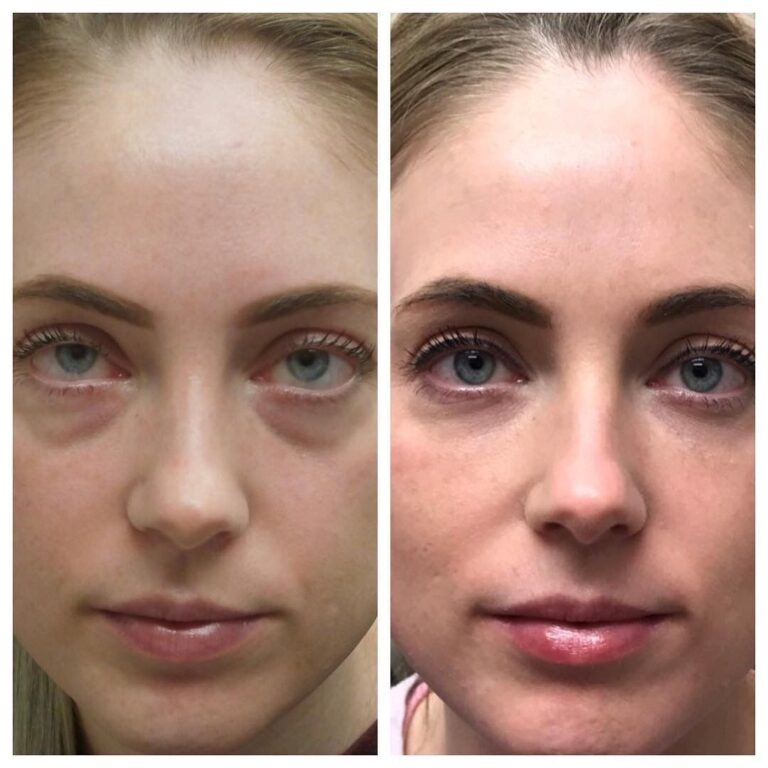
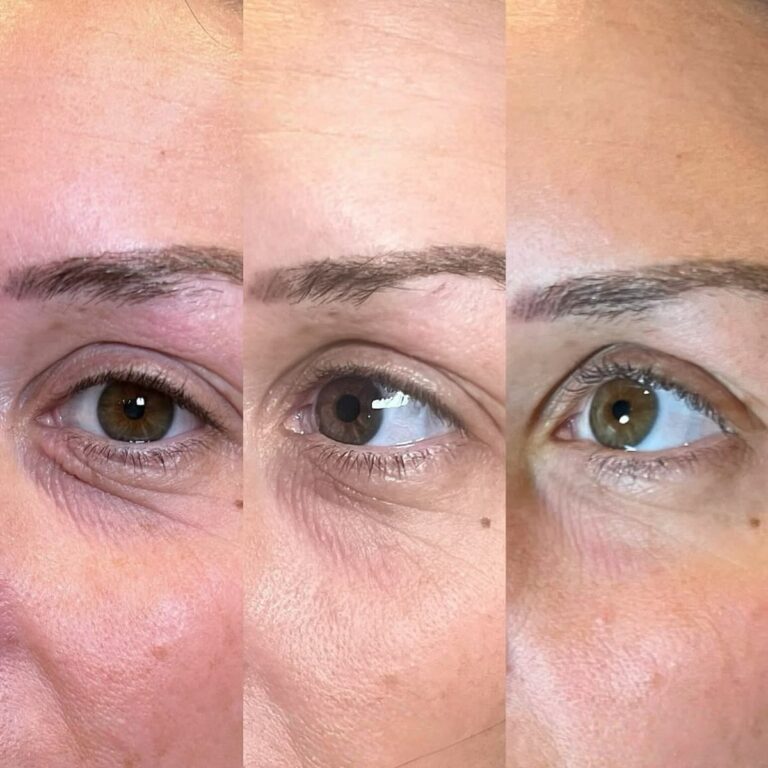
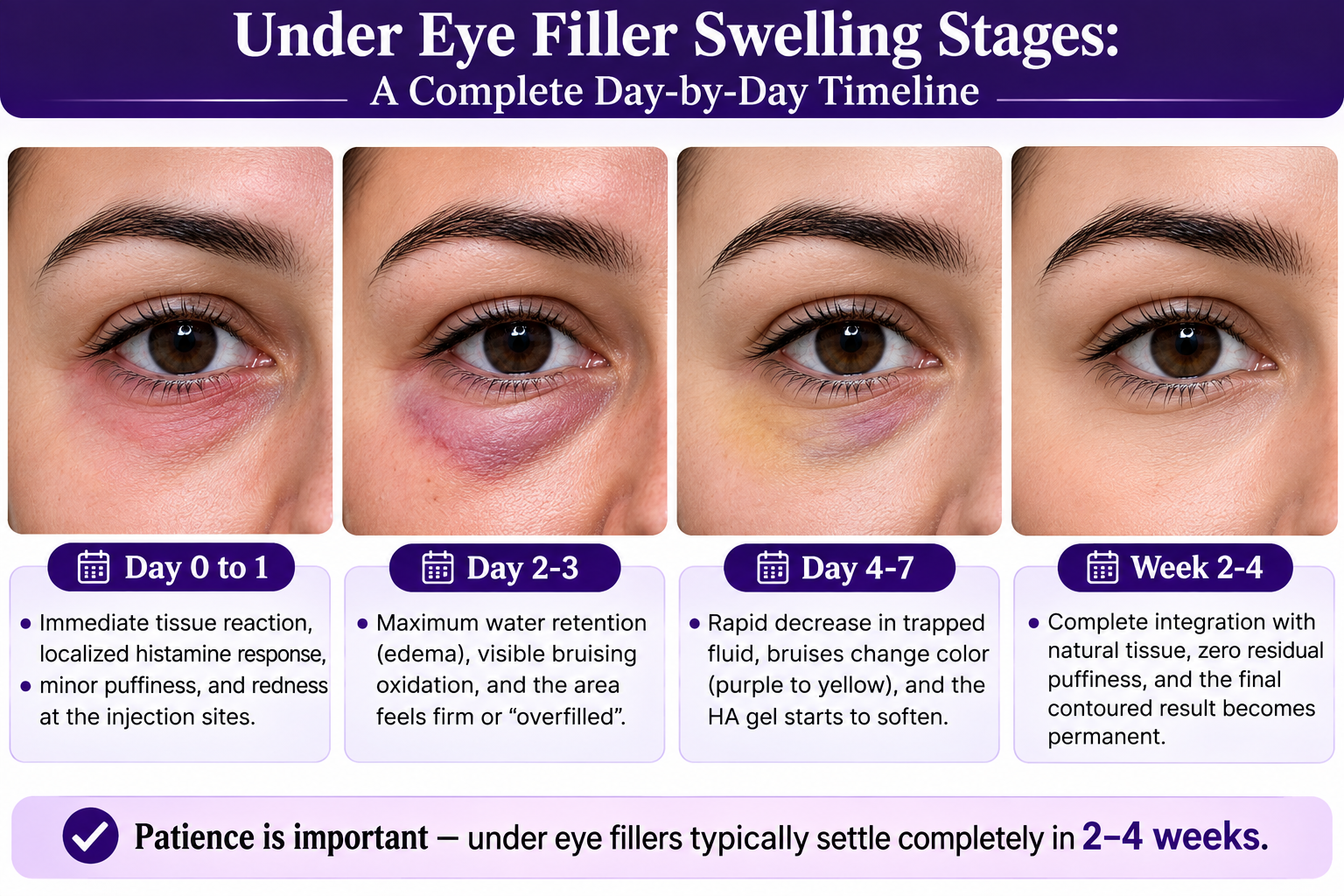
- Day 0–1 — Initial Swelling: Mild puffiness, tenderness, redness or bruising may appear shortly after treatment. The amount of swelling varies.
- Days 2–3 — Early Recovery: Some patients notice increased swelling during the first few days, although not everyone experiences a clear peak at the same time.
- Days 4–7 — Possible Improvement: Swelling and bruising may begin to improve, but residual puffiness and unevenness can remain.
- Weeks 2–4 and Beyond — Continued Recovery: Many patients experience further improvement over the following weeks. Persistent, worsening or newly developing swelling requires professional assessment. There is no universal date when every patient’s final result can be assessed.
Why the Under-Eye Area May Swell After Filler
The under-eye area has thin skin and a delicate soft-tissue structure, which can make even modest swelling more noticeable. Puffiness following filler treatment may result from injection-related inflammation, the water-binding properties of hyaluronic acid and individual differences in tissue anatomy.
- Hyaluronic Acid and Water Retention: Hyaluronic acid fillers bind water, but the degree of water absorption depends on the specific product and its physical properties. Swelling cannot be predicted solely from the amount of filler injected.
- Lymphatic Drainage: Disruption or compression of normal lymphatic drainage may contribute to under-eye puffiness. Individual anatomy, treatment technique and filler placement can influence the likelihood of persistent edema.
- Thin Under-Eye Skin: Because the skin and underlying tissues around the eyes are delicate, small changes in fluid accumulation, bruising or filler contour may be particularly noticeable.
Note: Recovery varies by person, product and procedure. Early swelling can obscure the result, but severe pain, visual symptoms, or pale/dusky skin after injection require emergency medical assessment rather than waiting for swelling to settle.
1. Swelling during day 0 to 1 (The Initial Trauma Response)
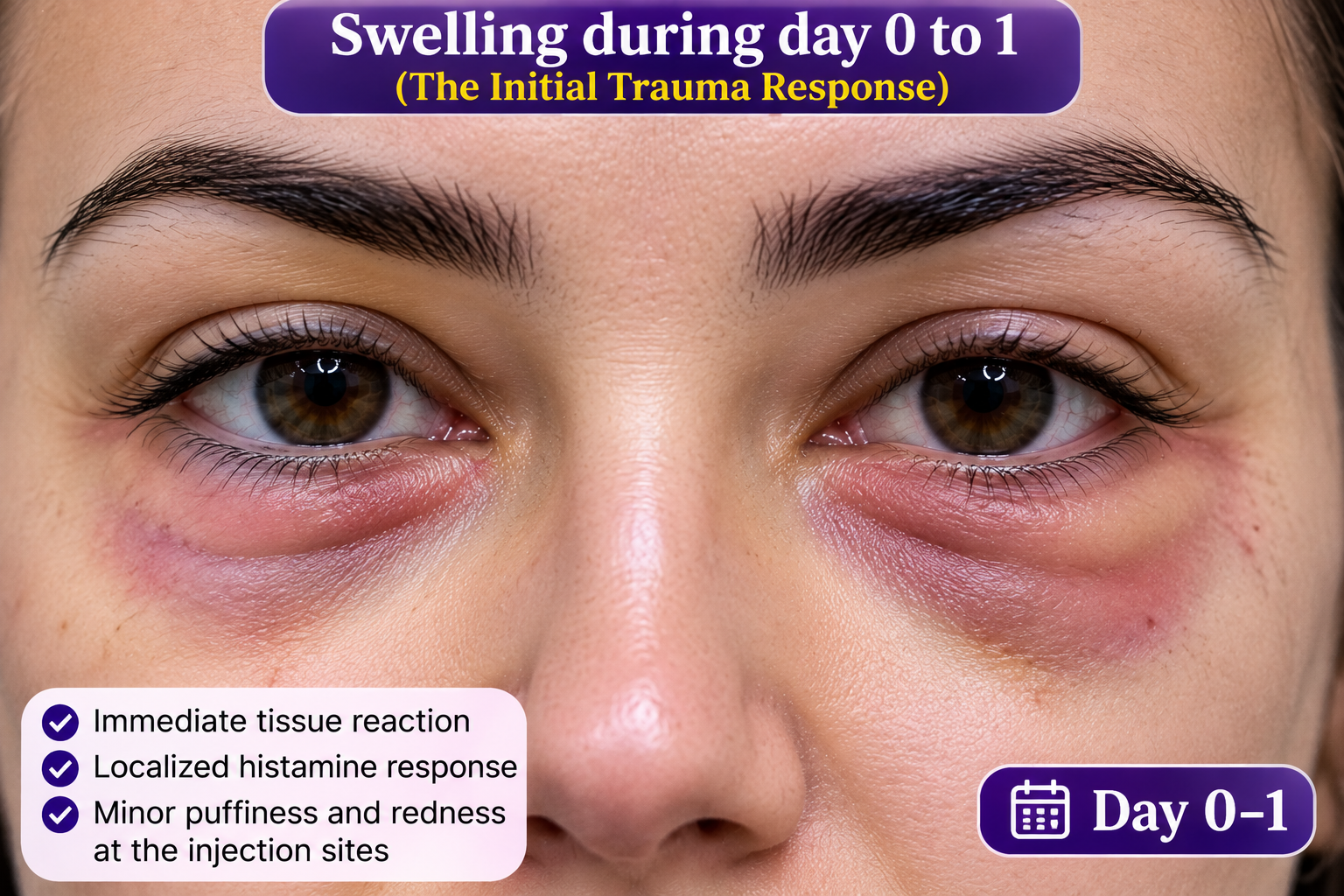
Injection can cause temporary local inflammation, leading to swelling, redness or tenderness shortly after treatment. The amount of swelling depends on individual tissue response, the filler used and the injection technique. These early changes may temporarily obscure the eventual cosmetic result.
What you will see and feel:
- Temporary Fullness: The treated area may initially look fuller than expected because of the combined effects of the filler and injection-related swelling. Early appearance alone may not accurately represent the eventual cosmetic outcome.
- Asymmetry: Some difference in swelling can occur, but marked, painful or worsening asymmetry should be assessed promptly by the treating clinician.
- Tenderness: Mild tenderness or bruising around the injection area can occur. Injection depth varies according to the product, individual anatomy and clinician’s technique, so not every patient will experience tenderness in exactly the same location.
2. Peak Swelling (Day 2-3)
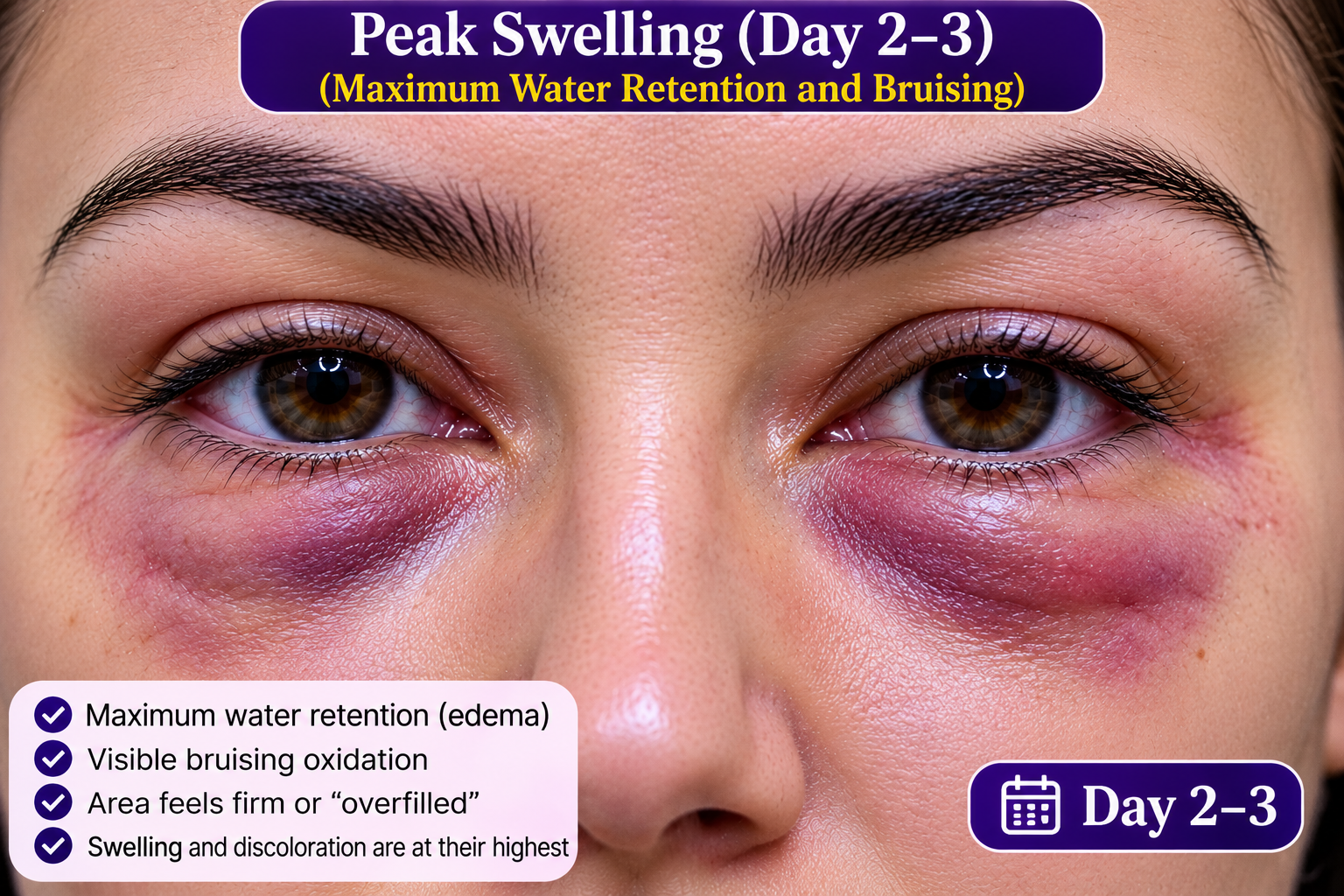
Some patients experience more noticeable swelling during the first two to three days after filler injection. This may reflect the body’s response to the procedure, temporary fluid accumulation and the properties of the injected product. However, swelling does not necessarily peak at 48–72 hours in every patient. A sudden increase accompanied by unusual pain, visual symptoms or skin-color changes requires immediate medical assessment.
What you will see and feel:
- Temporary Fullness: Early swelling can make the area look puffier or less even than expected. However, pronounced or worsening swelling should not automatically be dismissed as normal.
- Bruising Oxidation: If a micro-vessel was nicked during the procedure, the pooled blood now becomes visible on the surface. It typically may appear as a distinct dark purple, reddish, or bluish shadow.
- Firmness or Unevenness: Some patients notice temporary firmness or small irregularities. New, persistent, painful or worsening lumps should be assessed by the treating clinician rather than assumed to represent normal filler settling.
Aftercare: Avoid pressing or massaging the treated area unless the treating clinician specifically advises it. A new lump, pain or changing contour should be assessed rather than managed by forceful self-massage.
3. Visible Improvement (Day 4-7)
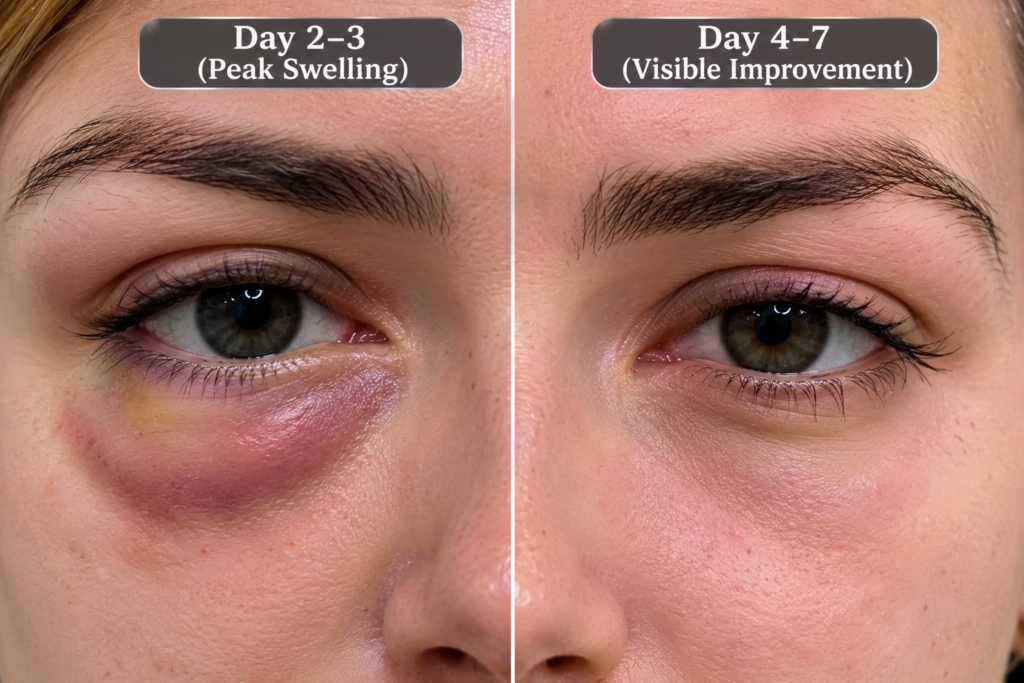
During the first week, some patients begin to notice a reduction in swelling and bruising. The rate of improvement varies, and there is no fixed day when lymphatic drainage, water retention or filler-related tissue changes reach a particular stage. Residual puffiness may persist beyond the first week, while worsening or unusual symptoms require clinical assessment.
What you will see and feel:
- Changing swelling: Puffiness may improve over time, but the course is individual. Increasing or persistent swelling should be discussed with the treating clinician.
- Bruise Color Shift: If you developed a bruise, the trapped hemoglobin is now breaking down into biliverdin and bilirubin. This chemical change causes the bruise to shift from a dark, angry purple to shades of green, and eventually a pale yellow.
- Changes in Firmness: Temporary firmness may improve as early swelling subsides. However, persistent lumps, increasing tenderness or changes in the treated area’s contour should be discussed with the treating clinician.
If you have visible discoloration along with swelling, read our complete guide to under-eye filler bruising to understand how bruising develops, what changes to expect, and when to seek professional assessment.
Note: During this phase, you might notice the swelling fluctuates. It may look slightly puffier in the morning after lying flat all night, and improve by the afternoon as gravity helps drain the fluid.
4. Final Settling (Week 2-4)
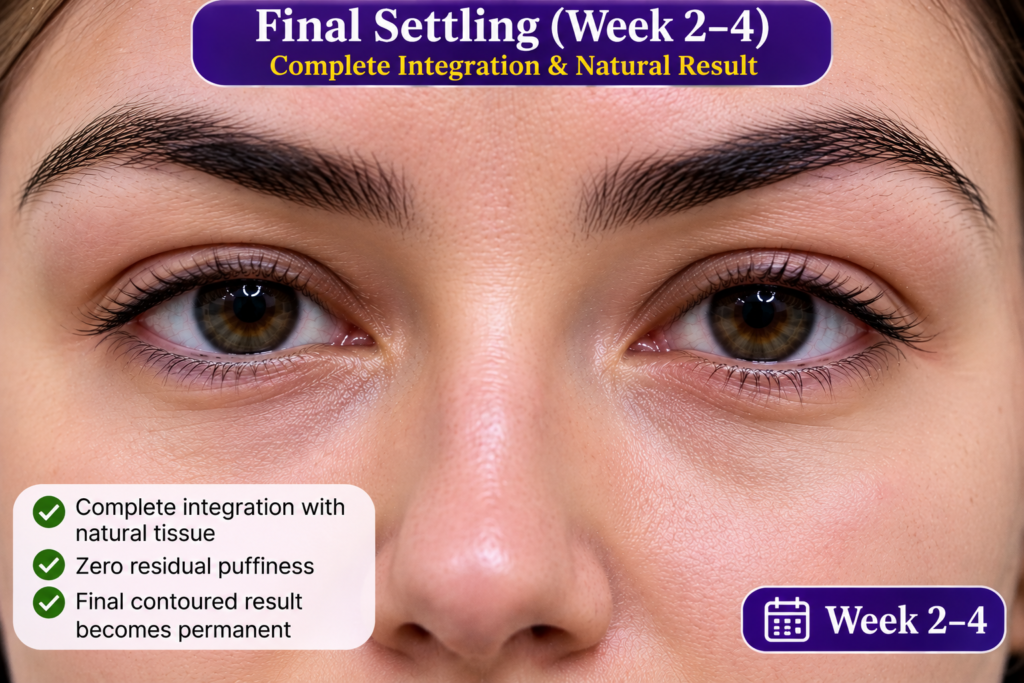
What may be happening: Early swelling can improve over the following weeks, but persistent or delayed edema is possible. Filler does not “lock” permanently into a final position on a fixed two-week schedule. Ask the treating clinician to assess a changing contour.
What you will see and feel:
- Assessing the Result: Many patients notice further improvement in puffiness over the following weeks. However, the appearance at two to four weeks is not guaranteed to represent the final result for everyone. Persistent swelling or an unexpected contour should be assessed by the treating clinician.
- Texture and Contour: The treated area may feel softer or look more even as early swelling improves. Persistent lumps, visible irregularities or tenderness may require professional evaluation rather than additional time alone.
- Natural Movement: Under-eye filler should be assessed both at rest and during facial expressions. If smiling or squinting reveals persistent bulging, unusual ridges or asymmetry, discuss these changes with the treating clinician.
To better understand realistic treatment outcomes, explore our under-eye filler before-and-after guide, which explains how to interpret results and distinguish improvements in hollowing from changes caused by swelling.
What if it still looks swollen after 4 weeks?
Persistent swelling four weeks after under-eye filler treatment deserves professional evaluation, particularly if the area looks increasingly puffy, uneven or discolored. Possible causes include persistent edema, filler-related contour irregularities, superficial placement or other inflammatory and non-inflammatory complications. Appearance alone cannot reliably establish the cause.
A qualified healthcare professional can assess the treated area and determine whether further investigation or treatment is needed. Ultrasound may help in selected cases. Hyaluronidase may be considered for certain complications involving hyaluronic acid fillers, but dissolution is not appropriate for every cause of swelling and does not guarantee complete reversal. Patients should not attempt to diagnose or treat persistent swelling themselves..
How to Speed Up the Healing Process (Pro-Active Aftercare)
Recovery after under-eye filler varies. Appropriate aftercare may help manage temporary discomfort and swelling, but no home-care method can guarantee a faster recovery or prevent every complication. Always follow the individualized instructions provided by your treating clinician.
Cold Compresses: If your clinician recommends cold therapy, gently apply a clean, cloth-wrapped cold compress without pressing directly on the treated area. Follow their instructions regarding frequency and duration.
Physical Activity: Avoid intense exercise during the initial recovery period as advised by your clinician. The American Society of Plastic Surgeons generally recommends avoiding strenuous activity for the first 24–48 hours after dermal filler treatment to help minimize swelling and bruising.
Sleep and Rest: Some patients find that sleeping with their head slightly elevated helps reduce temporary morning puffiness. Avoid unnecessary pressure on the treated area and follow your clinician’s specific recommendations.
Alcohol and Diet: Ask your clinician whether temporary adjustments to alcohol consumption or other activities are appropriate. Maintain normal hydration and a balanced diet. Avoid claims that specific foods or dietary restrictions are proven to determine under-eye filler recovery.
Supplements and Medications: Evidence supporting supplements such as arnica or bromelain for filler-related swelling and bruising is limited and inconsistent. Do not start supplements or stop prescribed medications without discussing them with your healthcare professional.
Red Flags: When is Swelling NOT Normal?
Some symptoms need prompt assessment. Sudden vision change, severe pain or pale/dusky skin after filler requires emergency medical care. For increasing redness, warmth, fever or drainage, contact a clinician promptly.
- Possible Vascular Occlusion: Accidental injection into a blood vessel can obstruct circulation and cause serious tissue damage or vision complications. Unusual or severe pain, white, gray or blue skin near the injection site, vision changes or stroke-like symptoms during or shortly after treatment require immediate emergency medical attention. Do not wait for additional symptoms to appear.
- Possible infection: Increasing warmth, redness, tenderness, fever or drainage needs prompt clinical assessment; appearance alone cannot establish a diagnosis.
- Vision Changes: Any blurring, double vision, or pain when moving your actual eyeball is an immediate red flag that requires emergency medical intervention.
Frequently Asked Questions (FAQs)
How many days does under-eye filler take to settle?
Recovery varies considerably. Some patients experience increased swelling during the first few days and improvement over the following weeks. However, no fixed timeline applies to everyone, and persistent, worsening or delayed swelling requires professional assessment.
Can I exercise during the swelling stages?
The American Society of Plastic Surgeons generally recommends avoiding strenuous physical activity for the first 24–48 hours after dermal filler injections to help minimize swelling and bruising. Follow the specific recovery instructions provided by your treating clinician.
Does the brand of filler affect how much I will swell?
Filler formulation and physical properties can influence water retention and swelling, but treatment technique, injection depth, filler volume and individual anatomy also matter. There is insufficient evidence to guarantee that one entire filler brand will consistently cause less under-eye swelling than another. Ask your clinician about the specific product being considered and its safety data.
Will a warm compress help? Ask the treating clinician which aftercare is appropriate for your symptoms and timing. Do not use heat or pressure as a substitute for assessment of persistent, worsening or painful swelling.
Medical References and Official Guidelines
This article was developed based on clinical safety standards and soft tissue filler guidelines provided by the following government health authorities:
1. FDA — Dermal Fillers (Soft Tissue Fillers)
Common side effects, delayed reactions, vascular complications and emergency warning signs.
Dermal Fillers (Soft Tissue Fillers) | FDA
2. American Society of Plastic Surgeons — Dermal Fillers Recovery
Post-treatment expectations and general aftercare guidance.
Dermal Fillers Recovery | American Society of Plastic Surgeons
3. Late-onset Periorbital Edema — 2024 Clinical Review
Causes, diagnosis, risk factors and management of delayed under-eye swelling.
4. Complications of Periorbital Cosmetic HA Filler Injections — 2025 Review
Research on early and late complications of filler treatment around the eyes.
Complications of Periorbital Cosmetic Hyaluronic Acid Filler Injections: A Major Review – PMC
Disclaimer: This educational article draws on FDA safety information, American Society of Plastic Surgeons recovery guidance and peer-reviewed research on periorbital filler complications. The sources below support general safety and recovery information; they do not establish a guaranteed recovery timeline for individual patients.

Sarah Mitchell is the founder and research editor of Under Eyes Filler, an independent patient-education resource. She is a researcher and writer, not a licensed medical professional. Her work is to read clinical studies and official FDA and ASPS guidance, then translate them into clear, honest explanations of under-eye filler results, recovery, risks, and realistic costs, so readers can prepare better questions for their own qualified provider.