Medically reviewed • Evidence-led under-eye filler education • Updated October 2026
Filler For Under Eye Bags Before And After 202612 min read
2026 Quick Facts Filler For Under Eye Bags Before And After
- Cost: request a dated, itemized quote for the specific product, amount and provider; a general national HA-filler average is not an under-eye price.
- Duration: varies by product and person; no universal 9-to-18-month promise applies.
- Procedure time: ask the provider what the consultation and treatment involve.
- Recovery: swelling, bruising and final assessment timing vary; follow individualized aftercare.
- FDA under-eye hollowing indications: Volbella XC, Restylane Eyelight, Belotero Balance (+), and RHA Redensity Eye/Eye Lido, each with its own age threshold and label.
Under-eye bags, puffiness and hollow-related shadows can look similar but have different causes. Filler may soften the appearance of a hollow in selected people; it does not treat every bulging bag or swelling. An in-person assessment is needed before considering a procedure.
Under eye filler actually treats, which products are used, what the procedure involves, a full before and after timeline, the real costs, the risks you should know about, and how to choose a safe provider.
What Tear Trough Filler Actually Treats
The tear trough is the natural groove that runs between the lower eyelid and the upper cheek. As the face ages, this area can become more hollow, which casts a shadow and creates the appearance of dark circles or constant tiredness. For some people, this hollowing is genetic and can appear even in their twenties, not just as a result of aging.
Bags, Hollows, and Dark Circles Are Not the Same Thing
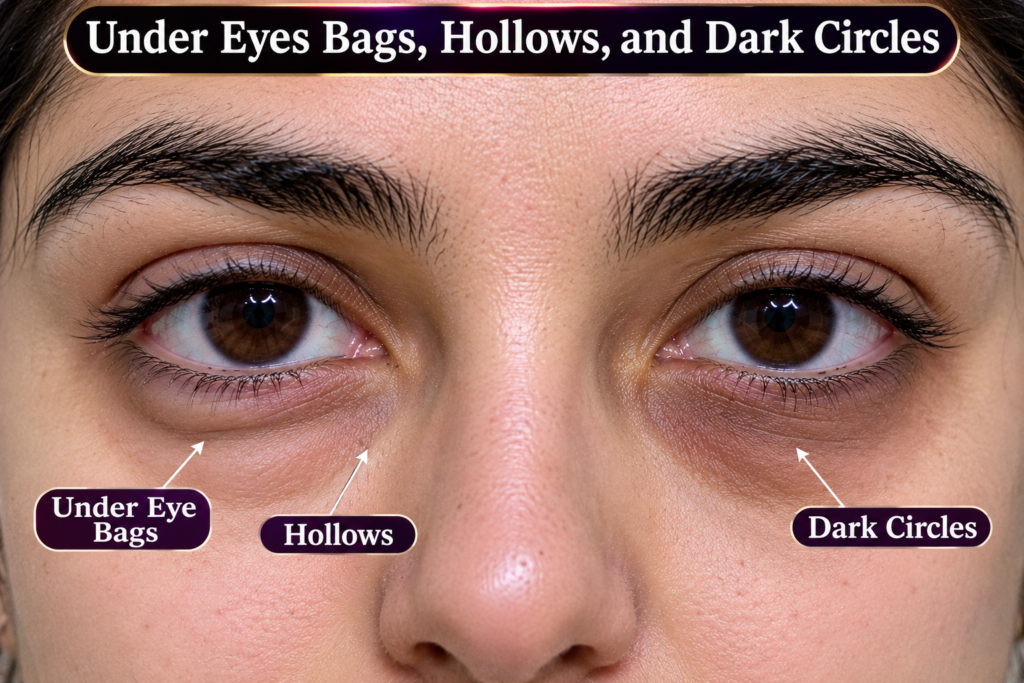
It helps to understand the difference between three things that often get confused.
Under eye bags happen when fat pads beneath the eye bulge or shift forward, creating puffiness. Filler does not treat true fat-pad bags, and in some cases can make them look worse.
Tear trough hollows happen when volume is lost in the area below the eye, creating a sunken look. This is what filler is designed to correct.
Dark circles can be caused by thin skin, visible blood vessels, pigmentation, or the shadow cast by a hollow tear trough. Filler only helps with the shadow-related cause, not pigmentation.
Knowing which of these applies to you is the first step, and a qualified injector should assess this carefully during your consultation rather than assuming filler is the right fix for every under eye concern.
Types of Under Eye Filler
FDA under-eye indications apply to specific named hyaluronic-acid filler formulations for improvement of infraorbital hollowing, not every filler or every kind of bag. As of September 25, 2026, the named records include Juvéderm Volbella XC, Restylane Eyelight, Belotero Balance (+) and RHA Redensity Eye/Eye Lido. Check each product’s age threshold and labeling in our FDA indication guide.
FDA-Approved Options
Restylane Eyelight received its FDA infraorbital-hollowing indication on May 8, 2023, for adults 21 and older. Approval for Eyelight does not mean every Restylane formulation is approved for this area or that it is suitable for every patient.
Juvéderm Volbella XC received its FDA infraorbital-hollowing indication on May 28, 2021, for adults over 21. Individual satisfaction, durability and risks vary; trial results for a particular product should be presented with their source, population and follow-up period rather than as a guarantee.
Other Filler Options
Belotero Balance (+) received its own FDA infraorbital-hollowing indication on September 27, 2023, for adults over 21. RHA Redensity Eye/Eye Lido received a specified indication on May 12, 2026, for adults 22 and older. Other formulations may be used outside their specific U.S. under-eye indication; ask your injector about the exact product and label.
Fat grafting uses fat harvested from your own body and can give long-lasting results, but it requires a minor surgical procedure with more downtime.
Calcium hydroxylapatite is generally avoided under the eyes because it can create an unwanted white or chalky appearance under thin skin.
Poly-L-lactic acid takes longer to show results and carries a higher risk of forming small lumps in this delicate area, so most injectors do not recommend it here.
Am I a Good Candidate for Under Eye Filler
Good candidates typically have mild to moderate hollowing with reasonably good skin elasticity and are in general good health. Filler tends to work best for people whose main concern is volume loss rather than puffiness, loose skin, or pigmentation.
Who Should Avoid Treatment
You may not be a good candidate, or your provider may recommend a different approach, if you have any of the following:
- Active skin infection or inflammation near the eyes
- A known allergy to hyaluronic acid or lidocaine
- Bleeding conditions or medicine that affects clotting require individual clinical review; never stop prescribed treatment based on this list.
- Autoimmune conditions that affect healing or increase infection risk
- Significant true under eye bags caused by bulging fat, since filler will not correct this and may worsen the appearance
- Pregnancy or breastfeeding, since filler safety has not been studied in these groups
- Unrealistic expectations about what filler alone can achieve
This is general information, not personal medical advice. A qualified injector should always review your full medical history before recommending treatment.
The Treatment Process: What Happens During Your Appointment
Consultation and Assessment
Your provider examines the under eye area to judge the depth of hollowing and the quality and thickness of your skin, since both factors affect how much filler is needed and which product is best suited to you. They will also review your medical history, including any allergies and current medications.
The Injection Procedure
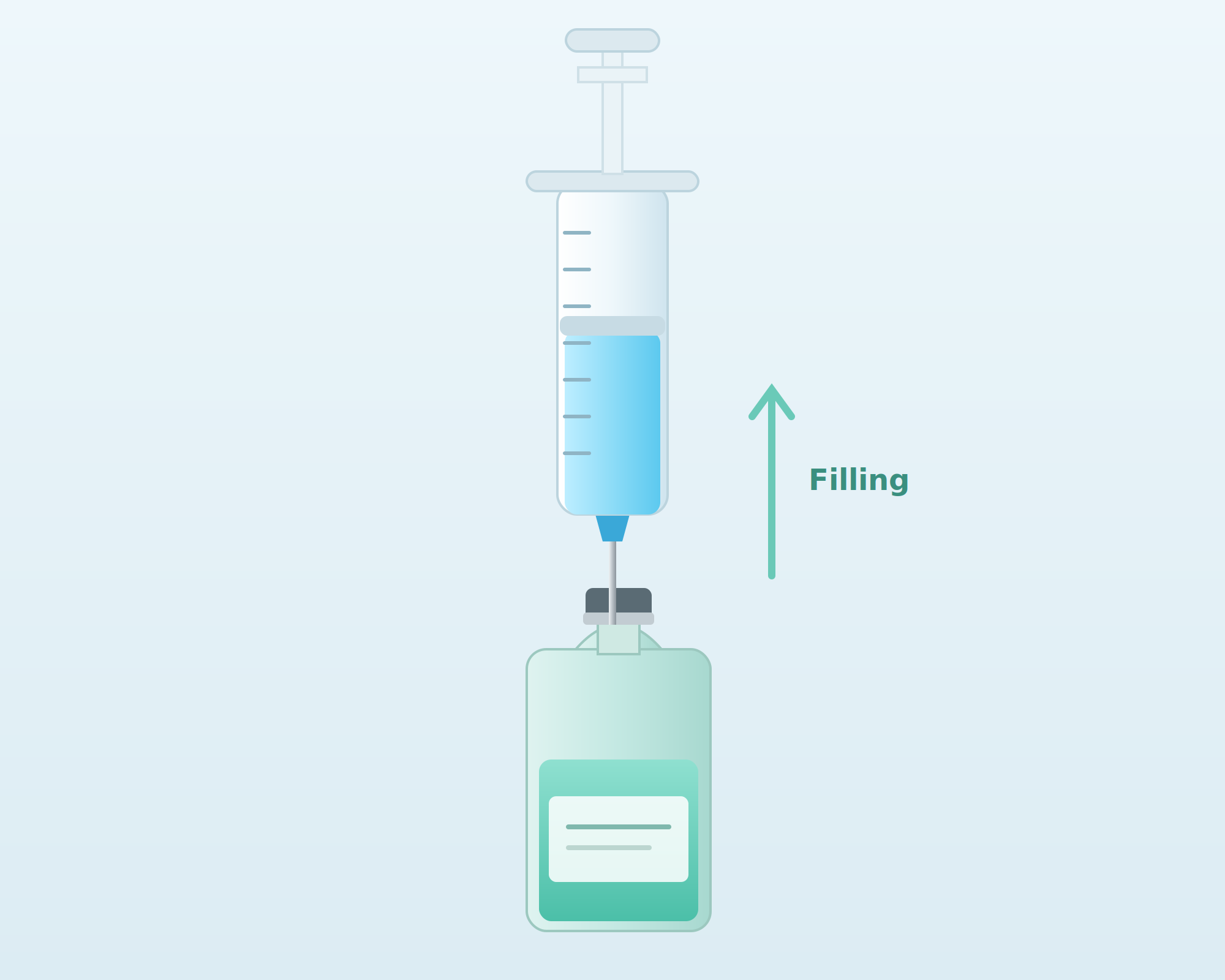
The treatment area is cleaned and a topical numbing cream is applied for about 15 to 20 minutes. Many fillers also contain lidocaine, which adds further numbing during the injection itself.
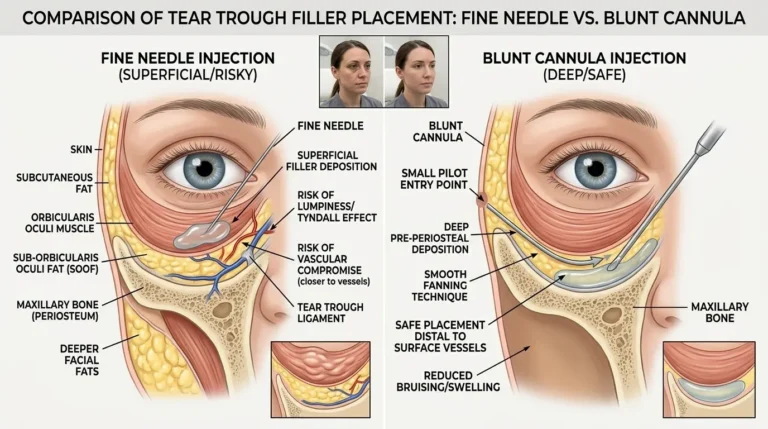
Two techniques are commonly used. A direct needle injection places small amounts of filler precisely under the skin. A micro-cannula, which is a thin blunt-tipped tube, requires only one entry point and tends to reduce bruising and swelling because it moves around blood vessels rather than through them. Many experienced injectors prefer the cannula technique specifically for the under eye area because of this safety advantage.
Small amounts of filler are placed as the needle or cannula is withdrawn, and the area is gently massaged afterward to smooth the product into place. The entire procedure usually takes between 5 and 20 minutes.
Pain Management and Numbing
Most patients report minimal discomfort. Topical numbing cream applied before treatment, combined with the lidocaine already contained in most fillers, keeps the procedure comfortable for the majority of people. Ice may also be used to numb the area before and after injection.
How Much Filler Is Typically Needed
The amount of filler, if any, depends on a clinician’s assessment of your anatomy and treatment goals. A photo or generic syringe range cannot establish an appropriate dose.
Under Eye Filler Before and After: The Recovery Timeline
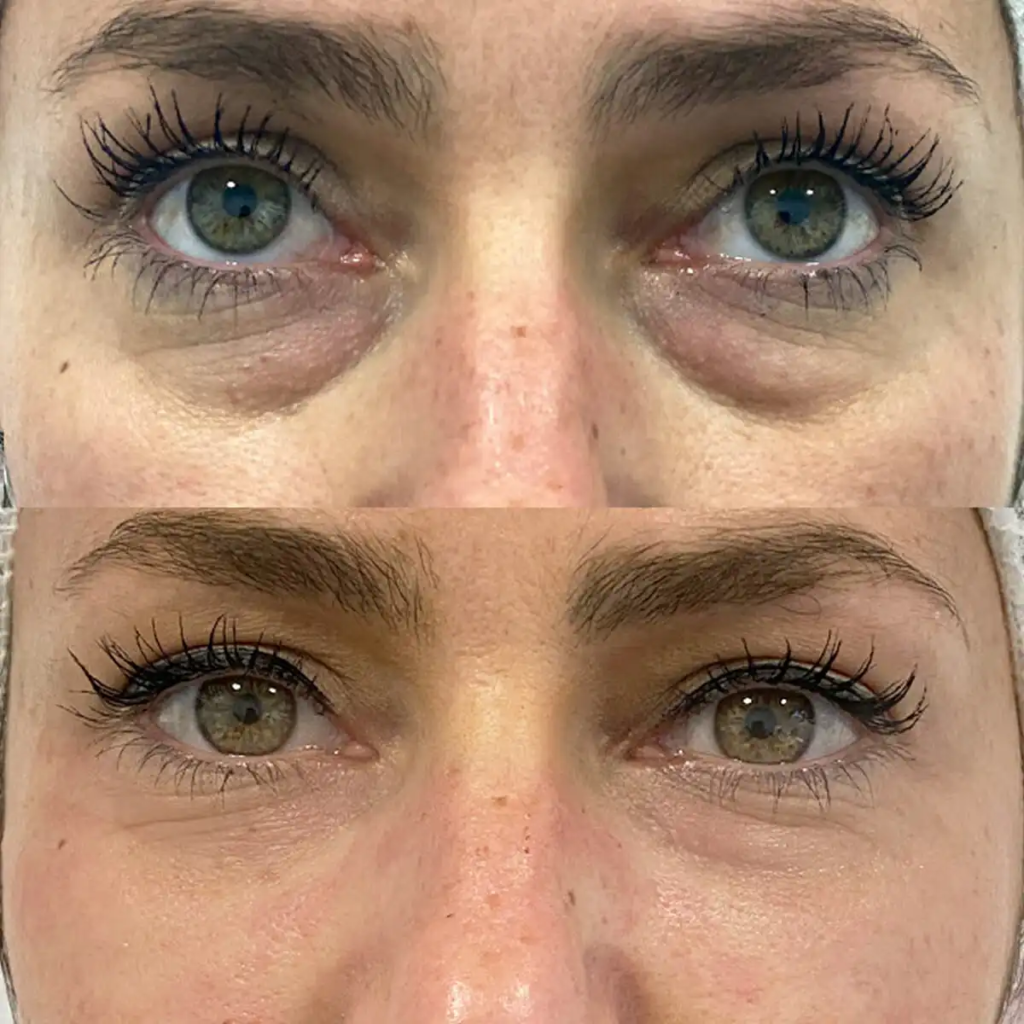
First 48 Hours
You will see some volume improvement immediately, though the area may look slightly fuller than your final result due to swelling. Mild swelling, redness, and occasional light bruising at the injection sites are common in this window and are considered normal.
Days 4 to 7
Any bruising typically begins to fade or change color during this period, and swelling reduces noticeably day by day. Most people feel comfortable going without concealer somewhere between day 5 and day 7.
Week 2 to Week 4
The filler settles fully into position, usually between days 7 and 14. Results continue to look smoother and more natural through this period, and most people see their true final result by the 4-week mark, once all swelling and bruising has fully resolved.
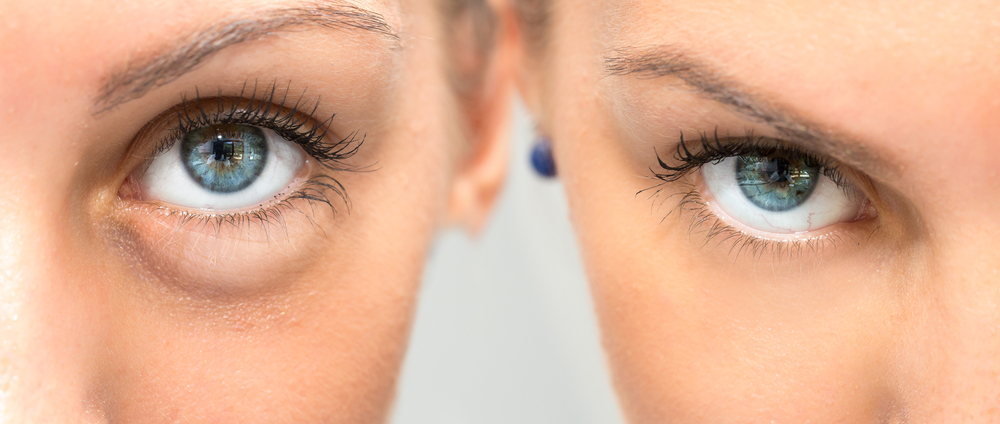
Our before-and-after guide discusses how timing, lighting and swelling can affect comparisons. Verify the source and consent for any patient photograph before treating it as a documented clinical result.
How Results Look When You Smile or Move Your Face
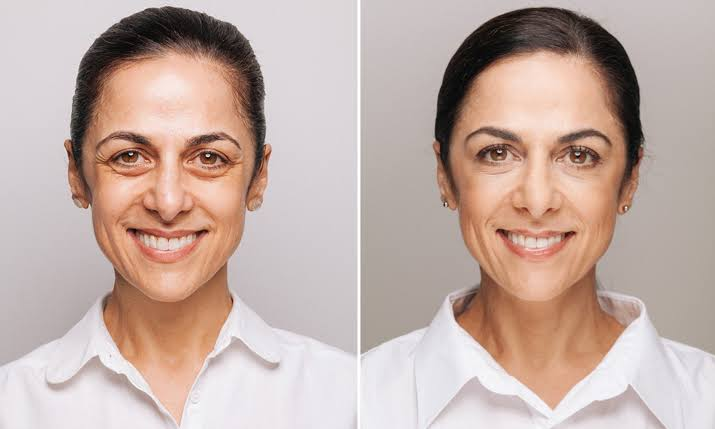
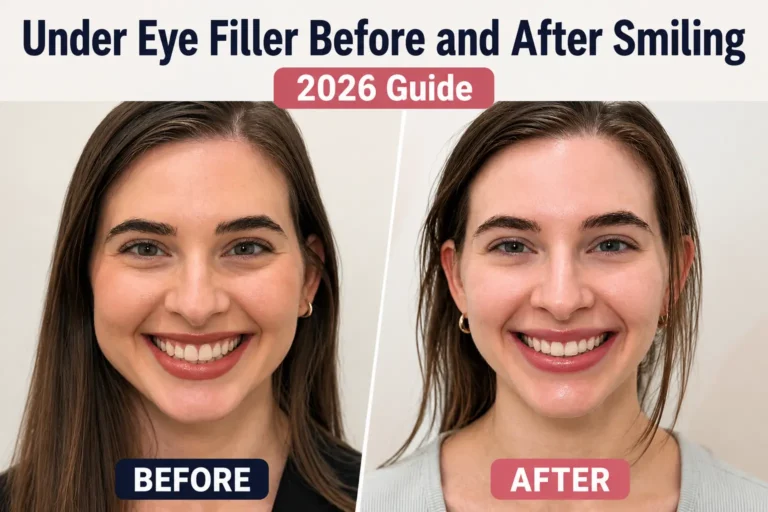
A still photograph may not show how the area looks during smiling or squinting. Our smiling guide discusses that consideration. Any image presented as an actual patient result needs documented provenance and permission.
Side Effects, Risks, and When to Worry
Common Temporary Side Effects
Most side effects of under eye filler are mild and temporary. These include redness, tenderness, swelling, and bruising near the injection site, which typically resolve within 7 to 14 days. Small bumps can also form if the filler settles unevenly, though these often soften with gentle massage or resolve on their own within a few weeks.
The Tyndall Effect
A less common issue is the Tyndall effect, a bluish discoloration that can appear if filler is placed too close to the surface of the thin under eye skin. This is a placement issue rather than a product defect, and it is treatable, usually by dissolving the filler with hyaluronidase.
Dents and Uneven Results
Some patients also notice a dent or depression in the skin weeks after treatment, which can happen for a few different reasons related to placement, swelling resolution, or how the filler has settled. If you are experiencing this, our detailed guide on what causes a dent under eye after filler explains the common causes and how it is typically corrected.
Vascular Occlusion: The Rare but Serious Risk
Accidental injection of filler into a blood vessel can cause tissue injury, vision abnormalities including blindness, or stroke. Do not infer that the tear-trough area is exempt from this risk because an older review did not find a case in its dataset. Sudden vision changes, severe or unusual pain, or pale or dusky skin during or after treatment require immediate medical attention. See the FDA safety warning.
How Long Results Last
Duration varies by product and person. The FDA summary for Restylane Eyelight says results in its study may last up to 12 months; that does not guarantee the same duration for an individual or validate a universal 9-to-18-month range.
Factors That Affect Duration
How long your results last also depends on factors outside the product itself. A faster metabolism tends to break down filler more quickly. Sun exposure and smoking can both shorten how long results last, while staying hydrated and protecting your skin from the sun can help extend them. The amount of filler used and the skill of the injector also play a role, since precise placement tends to hold up better over time.
Touch-Up Treatments
Most people schedule touch-up treatments every 9 to 12 months once they reach their desired result, though this is an individual decision based on how your specific results fade.
How to Choose a Qualified Provider
Because the under eye area is thin-skinned and sits close to important blood vessels, provider experience matters more here than for almost any other filler treatment. When researching a provider, look for the following:
- Board certification in dermatology, plastic surgery, or a related medical specialty, or a registered nurse injector working under direct medical supervision
- Specific experience with the tear trough area, not just general filler experience, since this is considered one of the more technically demanding areas to treat
- Request documented patient results with permission and comparable lighting, or clearly labeled educational illustrations.
- A thorough consultation that includes a review of your medical history before treatment is recommended
- Clear communication about which product they plan to use and why
- A practice that uses hyaluronic acid fillers, given they can be dissolved if a correction is needed
If a provider seems rushed, will not answer questions about their experience, or pressures you into treatment during a first visit, it is reasonable to seek a second opinion.
Alternatives to Under Eye Filler
Filler is not the only option for under eye concerns, and it is not the right choice for everyone.
Lower blepharoplasty, a surgical procedure, is generally recommended when the main issue is bulging fat pads rather than volume loss, and it offers a permanent result rather than a temporary one, though with more downtime and higher cost.
Platelet-rich plasma (PRP) injections use your own blood plasma to stimulate gradual collagen production and are sometimes used for patients who want a more subtle, slower-building change.
Topical treatments, such as retinol or vitamin C creams, can help with skin texture and mild pigmentation but will not address true volume loss or hollowing.
Discussing all of these options with a qualified provider, rather than assuming filler is the only solution, leads to better and more realistic outcomes.
Frequently Asked Questions
Does under eye filler hurt? Most patients report minimal discomfort. Topical numbing cream and the lidocaine already contained in most fillers keep the procedure comfortable for the majority of people.
How soon will I see results? You will see some improvement immediately, but final results are typically visible after 2 to 4 weeks once all swelling has resolved.
Can under eye filler be reversed? Yes. Hyaluronic acid fillers can be dissolved with an enzyme called hyaluronidase if you are unhappy with the result or experience a complication.
Will under eye filler make my eye bags worse? If your main concern is bulging fat pads rather than hollowing, filler is generally not recommended and may make the area look more puffy. This is why an accurate assessment during consultation matters.
How many syringes do I need? There is no universal amount for both eyes. A qualified injector should assess whether filler is appropriate and provide an individual plan.
Conclusion
Filler may improve a hollow-related shadow for a suitable patient, but it does not correct every under-eye bag. Discuss alternatives and risks with a qualified clinician. Request provenance for any before-and-after photographs and seek emergency care for sudden vision changes, severe or unusual pain, or pale or dusky skin.
This article is for informational and educational purposes only. It is not a substitute for professional medical advice, diagnosis, or treatment. Always consult a qualified healthcare provider before undergoing any cosmetic procedure.
Reviewed by Sarah Mitchell
References
- U.S. Food and Drug Administration, FDA Approves Juvederm Volbella XC for Undereye Hollows
- U.S. Food and Drug Administration, Dermal Fillers (Soft Tissue Fillers)
- American Society of Plastic Surgeons, Dermal Fillers Cost
- Galderma, FDA Approval for Restylane Eyelight
- National Library of Medicine, PubMed Central: Complications After Cosmetic Periocular Filler: Prevention and Management

Sarah Mitchell is the founder and research editor of Under Eyes Filler, an independent patient-education resource. She is a researcher and writer, not a licensed medical professional. Her work is to read clinical studies and official FDA and ASPS guidance, then translate them into clear, honest explanations of under-eye filler results, recovery, risks, and realistic costs, so readers can prepare better questions for their own qualified provider.