Medically reviewed • Evidence-led under-eye filler education • Updated October 2026
Under Eye Wrinkle Filler Before and After : What Best Actually Changes9 min read
Disclaimer: This article is for educational and informational purposes only and does not replace professional medical advice. Always consult a board-certified dermatologist, oculoplastic surgeon, or plastic surgeon before undergoing any cosmetic injectable procedure.
Direct answer: In under eye wrinkle filler before and after photos, the most consistent change is a smoother transition between the lower eyelid and cheek — hollows fill in, fine crepey wrinkles soften, and dark circles caused by shadowing (not pigment) visibly lighten. The change is usually visible immediately, with final results settling within one to two weeks once any swelling resolves.
Under eye filler works by restoring lost volume in the tear trough — the hollow groove that runs from the inner corner of the eye toward the cheek. As that area hollows with age or genetics, it casts a shadow that reads as a dark circle and creates a visible line between the eye and cheek. Hyaluronic acid (HA) fillers like those seen in most before and after under eye filler photos work by physically filling that groove, which softens the shadow and smooths the transition rather than changing skin pigment directly.
This distinction matters because it explains why under eye filler works well for some people and poorly for others. Someone with hollowing and volume loss as the primary cause of their dark circles typically sees a dramatic, satisfying change. Someone whose dark circles come mainly from pigmentation, thin skin showing underlying blood vessels, or excess fat pads (true “bags”) may see a smaller improvement, or in some cases need a different treatment entirely — which is also why so many people searching for eye fillers before and after also end up researching botox for bags under the eyes, assuming the two treatments solve the same problem. They don’t, and understanding why is one of the most useful things to know before booking a consultation.
The other reality worth setting expectations around: under eye filler before and after results are not static. HA filler in this area is metabolized gradually, degrees have shorter longevity than lower-face filler, and result quality depends heavily on injector skill, since the tear trough sits close to blood vessels and has some of the thinnest skin on the face. A technique that works beautifully in one person’s before and after photos can look different on another face with different bone structure or skin thickness.
This guide breaks down exactly what changes in under eye wrinkle filler before and after results, the healing timeline, how filler compares to Botox for this specific area, realistic cost expectations, and the risks worth understanding before treatment. For a deeper look at filler types, technique options, and provider selection specific to this area, undereyesfiller.com covers the treatment itself in more detail alongside the results breakdown here.
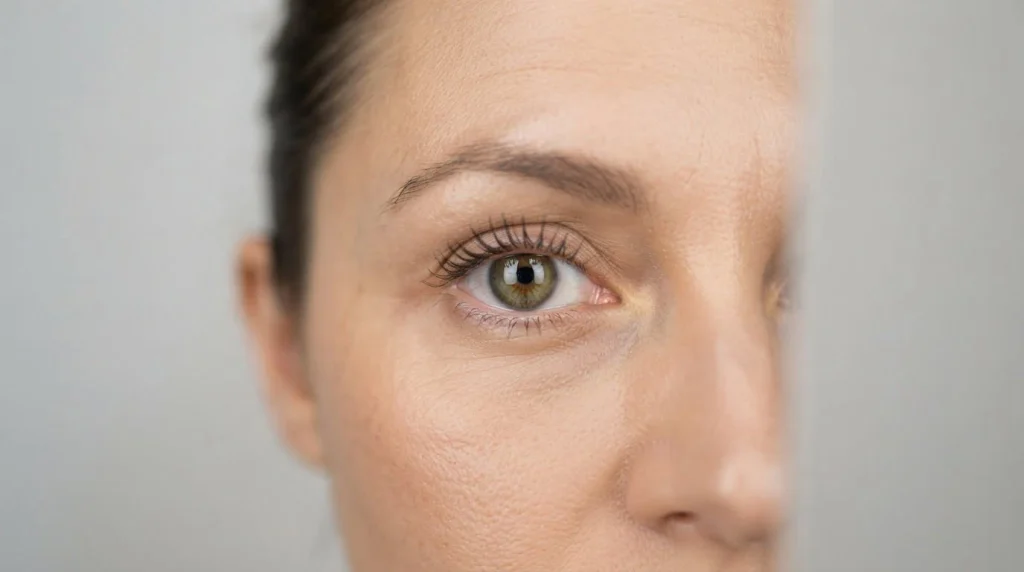
What Actually Changes: Reading Before and After Photos Correctly
When evaluating under eye fillers before and after photos — your own consultation photos or examples online — there are three specific changes to look for:
| What to Look For | What It Indicates |
|---|---|
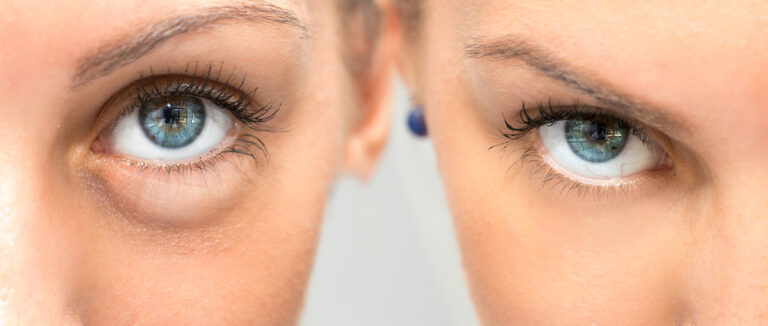
| Smoother lid-cheek junction | The tear trough hollow has been filled, reducing the visible groove |
| Lighter shadow under the eye | Volume restoration reducing shadow-based dark circles (not pigment change) |
| Softer fine wrinkles | Hydration and volume from the filler smoothing thin, crepey skin |
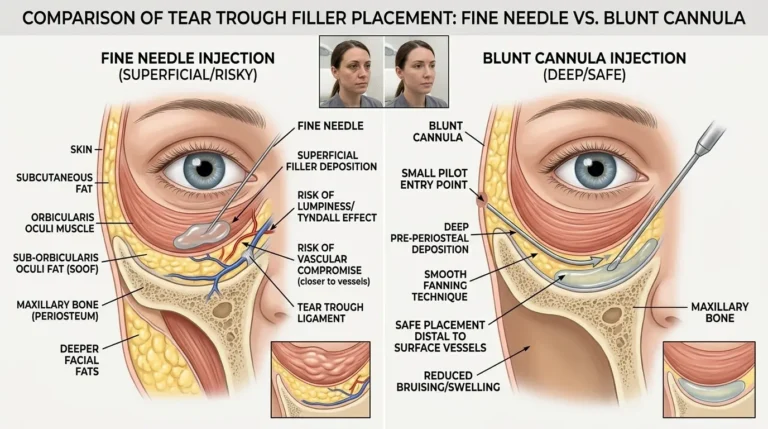
What good under eye filler results should not show: a puffy or overfilled look, a bluish tint through the skin (a sign of filler placed too superficially), or lumps or visible product under the skin. Any of these in a before and after photo suggest technique issues rather than a limitation of filler as a treatment.

Under Eye Wrinkle Filler Before and After : Healing Timeline After Under Eye Filler
Immediately after treatment: Results are visible right away, though some immediate swelling is normal and can temporarily make the treated area look slightly puffier than the final result.
Days 1–7: Mild bruising and swelling, when they occur, typically resolve within about a week. This area bruises more easily than most of the face because of how many small blood vessels sit close to the surface.
1–2 weeks: Swelling fully resolves and the final result becomes clear. Many providers schedule a follow-up around this point to assess whether any touch-up is needed.
How long it lasts: Softer HA fillers suited for the delicate under-eye area generally last around a year, though this varies by individual metabolism, the specific filler used, and injection technique.

Under Eye Filler vs. Botox for Under Eye Bags: What’s the Real Difference
This is one of the most common points of confusion, and it’s worth being direct about it: Botox is not typically an effective treatment for volume-related under eye bags or hollows, and claims of dramatic “before and after Botox under eyes” results for bags specifically should be viewed with caution.
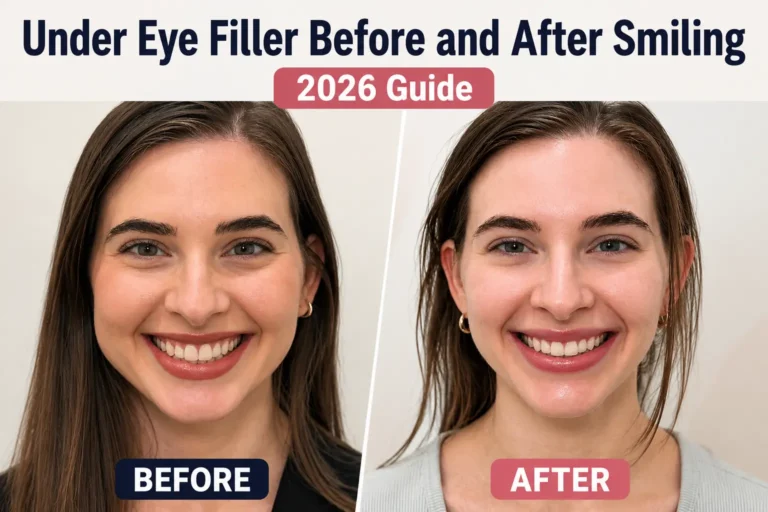
Botox works by relaxing a muscle. Under-eye bags and tear trough hollowing are caused by volume changes — lost fat and structural support, or in some cases fat pads bulging forward — not by muscle overactivity. Botox has a legitimate, narrow use near the eyes: very small doses placed carefully at the outer corner can soften fine, crepey lines that appear during a smile (sometimes called “jelly roll” lines), but it does not fill a hollow or reduce a bulging fat pad the way HA filler does.
| Factor | Under Eye Filler | Botox Near the Eyes |
|---|---|---|
| What it treats | Volume loss, tear trough hollows, shadow-based dark circles | Fine, dynamic crepey lines from muscle movement |
| Effective for true “bags” | Yes, when caused by volume loss | No — does not address bulging fat pads |
| Mechanism | Physically restores lost volume | Relaxes a small area of muscle |
| Typical duration | Around 12 months | 8–12 weeks |
For most people asking about under eye filler before and after results specifically for bags or hollows, filler — not Botox — is the relevant treatment. Botox may be used as a complementary treatment for crepey texture, but it isn’t a substitute for volume restoration.
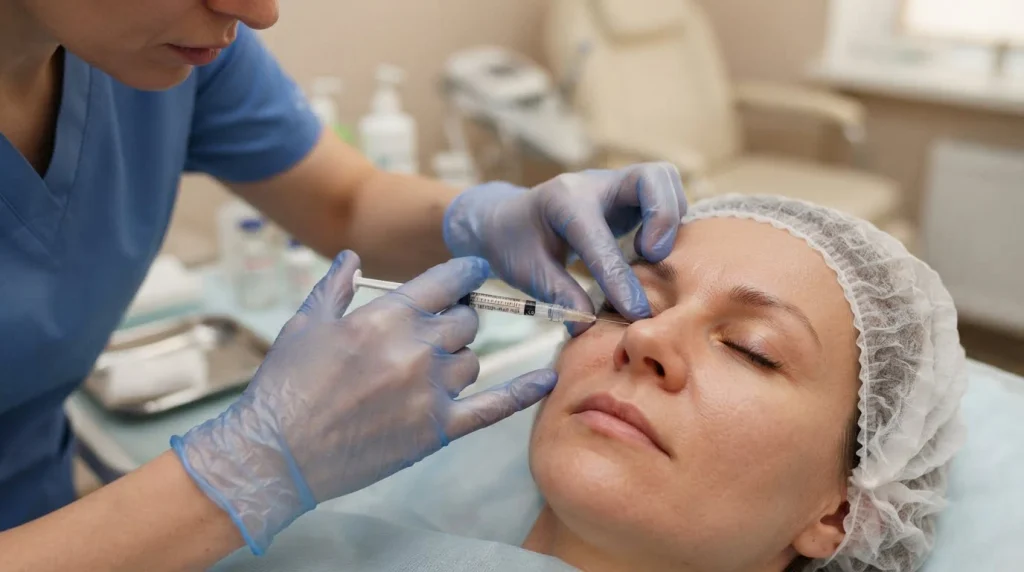
Risks and Considerations Before Treatment
The tear trough area carries specific risks that make injector experience especially important:
- Tyndall effect. If filler is placed too superficially in this thin-skinned area, it can create a visible blue-grey tint under the skin that doesn’t resolve on its own and requires hyaluronidase to correct.
- Vascular complications. The under-eye area has a dense network of small blood vessels. A qualified, experienced injector significantly reduces this risk, and any severe, worsening pain or unusual paleness after treatment warrants immediate medical attention.
- Overfilling. Because results appear so quickly, some patients or providers add more filler than the area needs, producing a puffy, “overdone” look rather than a natural, well-rested appearance.
These risks are part of why choosing an experienced, board-certified injector matters more in this specific area than almost anywhere else fillers are used on the face.

What Under Eye Filler Costs
Pricing for under eye filler varies by provider experience, geographic location, and the amount of filler used, and typically falls in a similar range to other precision facial filler treatments. Because the tear trough requires small, careful amounts rather than large volumes, cost is often driven more by the provider’s expertise and time than by product volume alone. A consultation is the only reliable way to get an accurate quote for your specific anatomy and goals. If you look at an external clinic photo gallery, ask the provider about patient consent, treatment details, timing, lighting and whether the examples are representative. Images alone cannot predict your result.
Frequently Asked Questions
How long does it take to see results from under eye filler?
Results are visible immediately after injection, though final results are best judged after one to two weeks once any temporary swelling has resolved.
Does under eye filler work for dark circles?
It works well for dark circles caused by shadowing from hollowness, since filling the tear trough reduces that shadow. It’s less effective for dark circles caused primarily by pigmentation or visible blood vessels through thin skin.
Is Botox or filler better for under eye bags?
Filler is generally the appropriate treatment for true under eye bags and hollows, since these result from volume loss, which Botox does not address. Botox has a narrow, complementary role for fine crepey lines caused by muscle movement, not for bags themselves.
How long does under eye filler last?
Most softer hyaluronic acid fillers used in this delicate area last around a year, though individual results vary based on metabolism, filler type, and technique.
What does the recovery look like after under eye filler?
Recovery is typically minimal. Mild bruising or swelling, when it occurs, generally resolves within about a week, and most people return to normal activities immediately after treatment.
Can under eye filler look wrong or unnatural?
Yes, most commonly from overfilling or filler placed too close to the skin’s surface, which can cause puffiness or a bluish tint (the Tyndall effect). Choosing an experienced injector and starting conservatively significantly reduces this risk.
Key Takeaways
Under eye wrinkle filler before and after results come down to correctly matching the treatment to the actual cause of hollowing or shadowing, since filler restores lost volume rather than changing pigment or muscle behavior. Realistic before and after results show a smoother lid-cheek transition and softened shadows, not a puffy or overfilled look, and they typically settle within one to two weeks. Understanding that Botox and filler solve different problems — and choosing an experienced injector for this delicate, vascular area — is what separates a natural, well-rested result from one that needs correcting later.

Sarah Mitchell is the founder and research editor of Under Eyes Filler, an independent patient-education resource. She is a researcher and writer, not a licensed medical professional. Her work is to read clinical studies and official FDA and ASPS guidance, then translate them into clear, honest explanations of under-eye filler results, recovery, risks, and realistic costs, so readers can prepare better questions for their own qualified provider.