Medically reviewed • Evidence-led under-eye filler education • Updated October 2026
Restylane Eyelight Under Eye Filler: What It Is and How Results Actually Hold Up7 min read
Under-eye hollowing is a technically demanding area to treat: too much filler can create puffiness or a bluish tint, while too little may leave the shadow unchanged. On May 8, 2023, the FDA approved Restylane Eyelight for improvement of infraorbital hollowing in people aged 21 and older. Its named indication does not mean that it treats every kind of dark circle or eye bag.
Restylane Eyelight is a hyaluronic acid gel made with NASHA technology. Its FDA indication concerns infraorbital hollowing in people 21 years and older. The clinician must still assess skin, swelling, anatomy and medical history before deciding whether this product or a different approach is suitable. Its formulation does not eliminate puffiness, lumps or other risks; see the FDA patient information.
This Restylane Eyelight Under Eye Filler isn’t a minor formulation tweak. It’s the reason Restylane Eyelight was approved with data specifically from the tear trough, rather than being used off-label the way many HA fillers have historically been applied here. The FDA approval was backed by a randomized, multi-center Phase 3 clinical trial, and the results give a clearer picture of what to actually expect than most aesthetic marketing does — which is worth walking through before deciding if this is the right under eye filler for your situation.
This guide covers what Restylane Eyelight actually is, what the clinical trial data shows, how it compares to other under-eye filler options, what the procedure and recovery involve, and what it costs — so you’re going into a consultation with real information instead of a sales pitch.
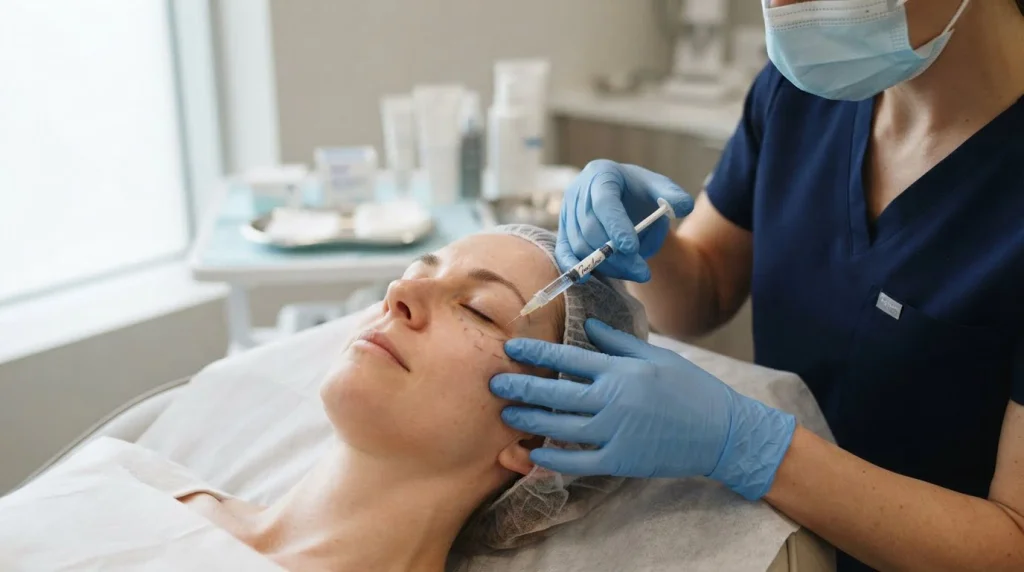
What Is Restylane Eyelight Under Eye Filler?
Direct answer: Restylane Eyelight is an FDA-approved hyaluronic acid filler for improvement of infraorbital hollowing in people aged 21 and older. Its indication is for a hollow, not every cause of dark circles or bags.
It’s part of the Restylane family (alongside Restylane-L, Lyft, Silk, Kysse, Refyne, Defyne, and Contour), but it’s the only one built on NASHA rather than the older XpresHAn or standard NASHA-adjacent formulations used elsewhere in the line. The gel’s firm, low-water-absorbing texture is what allows it to sit close to the skin surface under the eyes without the puffiness or bluish discoloration that thicker or more hydrophilic fillers can cause in this area.
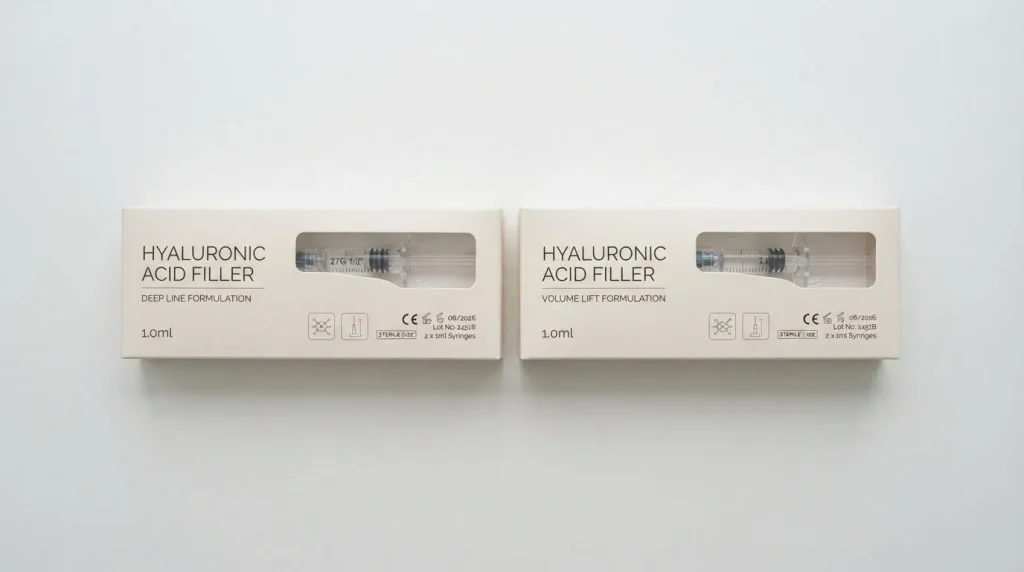
Restylane Eyelight vs. Other Under Eye Filler Options
Restylane Eyelight is one of several named formulations with an FDA infraorbital indication. Juvéderm Volbella XC received its indication in May 2021, Belotero Balance (+) in September 2023, and the specified RHA Redensity Eye formulations in May 2026. The approval and age threshold apply to each exact formulation, not its entire brand family. See the current FDA product guide.
| Restylane Eyelight | Juvéderm Volbella XC | |
|---|---|---|
| Technology | NASHA (non-animal HA) | Cross-linked HA (Vycross) |
| FDA approval | May 8, 2023 | May 28, 2021 |
| Reported duration | FDA study: may last up to 12 months | FDA study: may last up to 12 months |
| Contains lidocaine | Yes | Yes |
For a full breakdown of the Juvéderm option, including its own cost and results data, see our guide to Juvéderm under eyes cost and results. Neither product is objectively “better” — the right choice depends on your injector’s experience with each formulation and how your tissue responds.
What the Clinical Trial Data Actually Shows
The FDA reviewed a clinical study for the named under-eye indication. Its public product summary says effects may last up to 12 months; this describes studied outcomes and is not a promise for every person. The study population and methods matter when interpreting any percentage.
- The FDA indication is for improvement of infraorbital hollowing in people aged 21 and older.
- The FDA says the studied effect may last up to 12 months; individual outcomes vary.
- The study follows defined assessment visits; a response measured in the study is not a guarantee of satisfaction.
- Swelling, bruising and other adverse effects can occur, including rare but serious vascular complications.
- For exact response and safety numbers, read the FDA safety and effectiveness summary and ask the clinician how the data apply to you.
Study results have limits: response and satisfaction figures refer to a defined trial population and follow-up visits, while uncommon risks may not appear in a particular study. The FDA overview and patient labeling provide the product-specific evidence and precautions. Discuss possible complications rather than assuming the absence of one event in the study proves zero risk.
Who Is a Good Candidate?
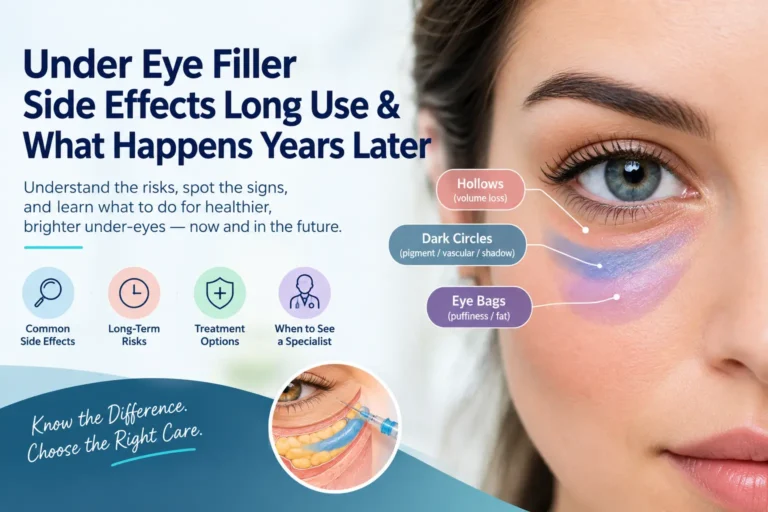
Restylane Eyelight is designed for hollowing and volume loss — the sunken, shadowed look between the lower lid and cheek. It is not designed to treat under-eye puffiness or bags, which are typically caused by fat pads pushing forward rather than lost volume, and generally need a different approach. If puffiness is your main concern rather than hollowing, our guide to under-eye puffiness and fillers covers treatments better suited to that issue.

The Procedure and Recovery
Treatment typically takes 15 to 30 minutes. Because Restylane Eyelight contains lidocaine, most patients tolerate injection with only mild discomfort, though topical numbing is sometimes used beforehand. Mild swelling, redness, or bruising at the injection site is common in the first few days and generally resolves within one to two weeks.
How Long Does Restylane Eyelight Last?
The FDA product summary says results may last up to 12 months in the supporting study. That endpoint does not predict how long an individual’s visible improvement will last, or establish an 18-month result for this indication.
Restylane Eyelight Under Eye Filler: Cost of Restylane Eyelight
Pricing generally falls in a similar range to other premium under-eye fillers — commonly $600 to $1,500+ per syringe, depending on geographic location and provider experience, with most patients needing one syringe per side to start.
Side Effects and Safety
The most commonly reported side effects are swelling, redness, tenderness, pain, bruising, itching, and small bumps at the injection site — all typically temporary. As with any filler used near the eyes, the more serious but rare risk is vascular complication, which is why provider experience in this specific area matters more than which product is used. For more on choosing the right injector and treatment plan, see our broader guide to fillers around the eyes.
Conclusion
Restylane Eyelight under eye filler stands out because its NASHA formulation was built to solve the specific problem that’s made this area hard to treat well: water uptake that causes puffiness and discoloration. Backed by clinical trial data showing sustained patient satisfaction at 12 months and a low reported rate of complications, it’s a solid option for genuine hollowing — though as with any filler, results depend heavily on choosing a provider experienced in this exact treatment area.
FAQ
What makes Restylane Eyelight different from other under-eye fillers?
Its NASHA (Non-Animal Stabilized Hyaluronic Acid) formulation is more resistant to water absorption than typical HA fillers, which reduces the risk of puffiness or bluish discoloration under the thin under-eye skin.
How long does Restylane Eyelight last?
The FDA summary says study results may last up to 12 months; an individual result can vary. Discuss the study endpoint and follow-up plan with your clinician.
Is Restylane Eyelight FDA approved?
Yes. Its named infraorbital hollowing indication was approved on May 8, 2023 for people aged 21 and older.
Does Restylane Eyelight hurt?
Most patients report only mild discomfort. The product contains lidocaine, and some providers add topical numbing before injection.
Restylane Eyelight vs. Juvéderm Volbella XC — which is better?
Both named products have an FDA indication for infraorbital hollowing, but their trial designs and patient outcomes should not be treated as a head-to-head ranking. Eyelight’s FDA overview says results may last up to 12 months; a qualified clinician can discuss candidacy, risks and alternatives for your anatomy.
Can Restylane Eyelight fix under-eye bags?
No — it treats hollowing and volume loss, not puffiness caused by fat pad protrusion, which requires a different treatment approach.

Sarah Mitchell is the founder and research editor of Under Eyes Filler, an independent patient-education resource. She is a researcher and writer, not a licensed medical professional. Her work is to read clinical studies and official FDA and ASPS guidance, then translate them into clear, honest explanations of under-eye filler results, recovery, risks, and realistic costs, so readers can prepare better questions for their own qualified provider.